-
It’s hard to build a habit around an infrequent problem

On one end you have video games. Games get played every day. On the other end you apps that help you file your taxes. You only need to file your taxes once a year. How often you’re meant to use a product comes down to the natural occurrence of the problem your product solves. The…
-
How often do users have this problem?

Your product was designed to solve a problem. Understanding when this problem occurs is important because it lays the foundation for how often people are expected to use your product. Airbnb helps you find a great place to stay when you go on vacation. People go on holiday once, maybe twice a year. If Airbnb…
-
Use case sweet spot
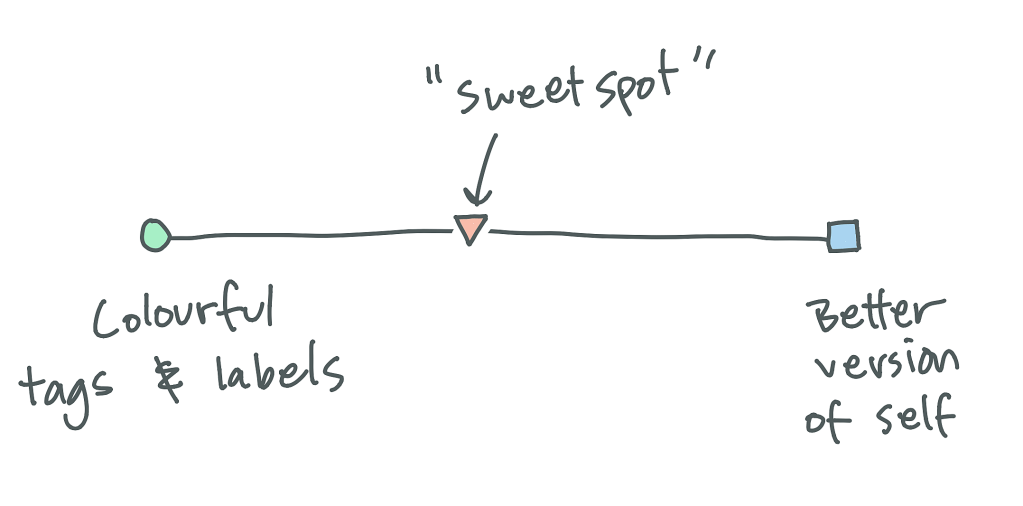
Your product can be a mediocre solution to lots of vague, undefined use cases. Vague use cases make things hard to use and difficult to remember. A clear understanding of your primary use case helps you set the right goals and prioritise the right features. The problem with thinking about products in terms of a…
-
Easy to use and simple to remember
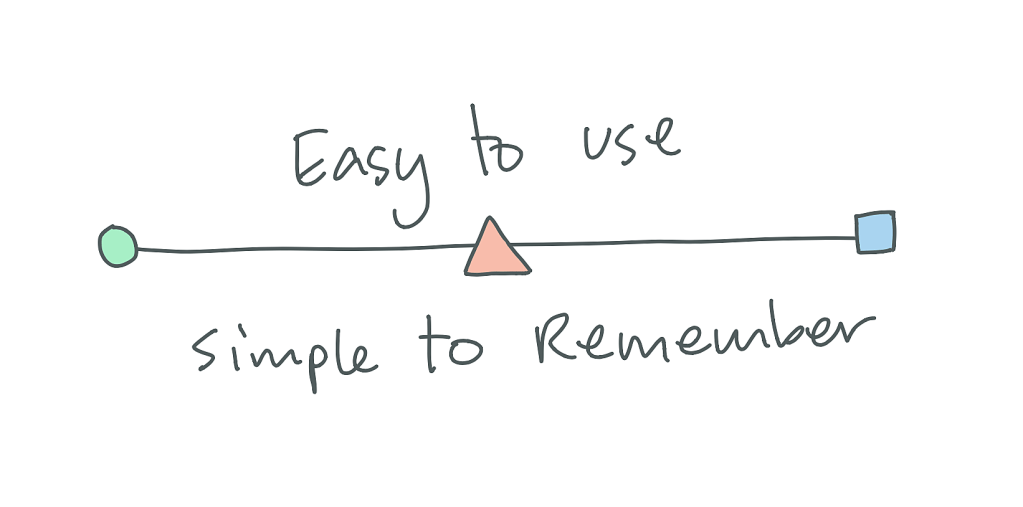
If it’s a problem worth solving then there are people out there trying to solve it right now. When someone goes to solve the problem your product was designed to solve, that’s your use case. That’s when they should be thinking about you and reaching for your thing. Wait, so what problem is Facebook solving…
-
People were solving the problem before you came along
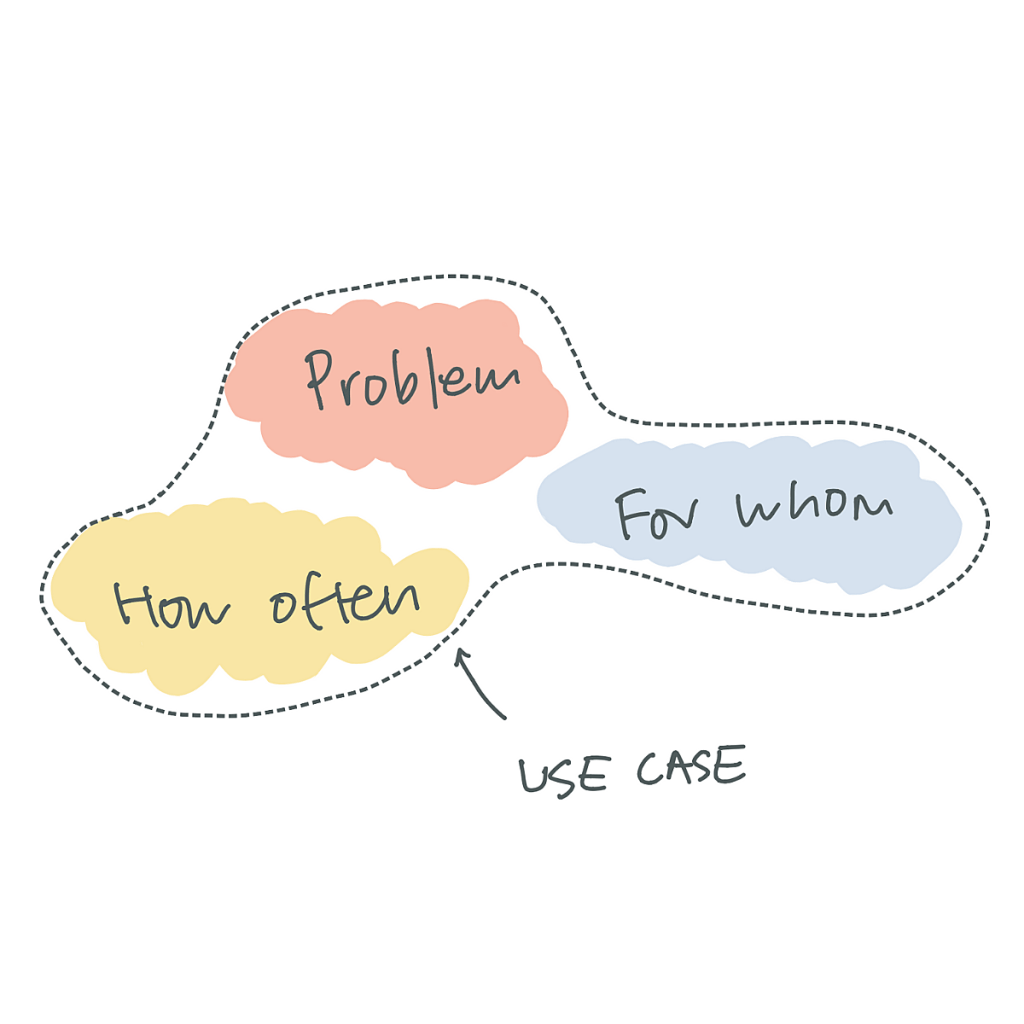
Your use case defines the problem your product was designed to solve. A use case draws a boundary around the natural behaviour that you’re trying to tap into, it highlights where things break down and how you fit in. It is important that you understand them because they are the foundation that you use to…
-
Subscribe
Subscribed
Already have a WordPress.com account? Log in now.
 Josh Pitzalis